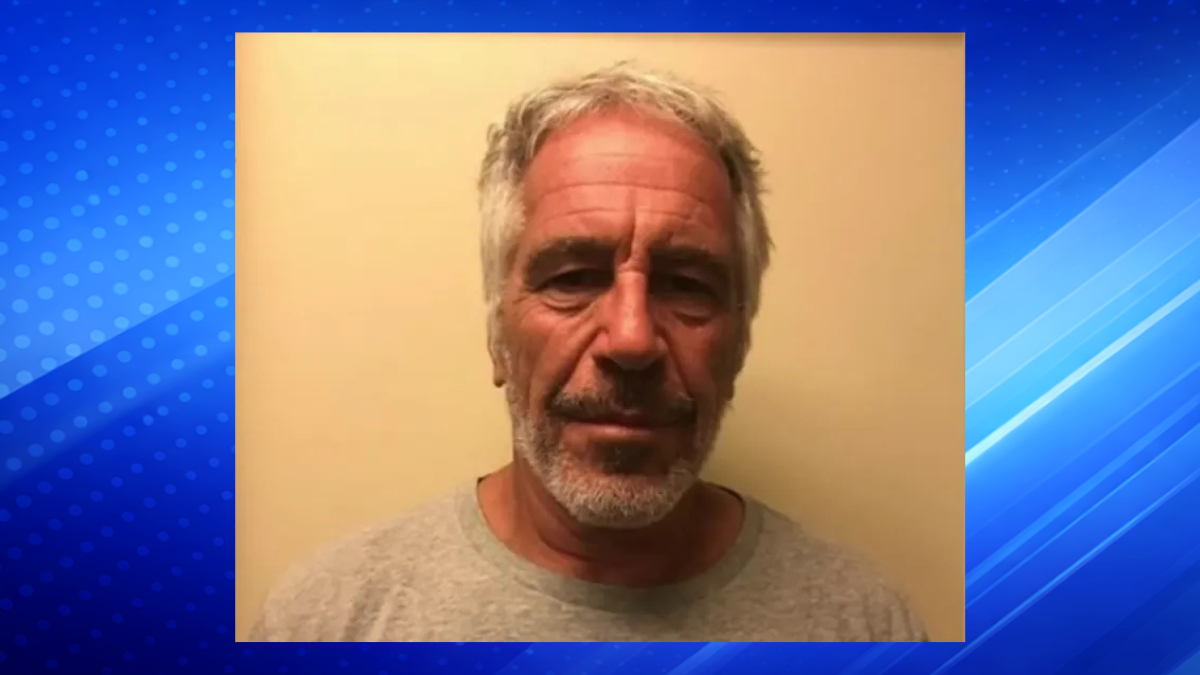
NEW YORK, The Justice Department said Monday it had withdrawn several thousand documents and media related to disgraced financier Jeffrey Epstein after lawyers complained to a New York judge that the lives of nearly 100 victims had been “turned upside down” by sloppy redactions in the government’s latest release of Epstein-related materials.
The department blamed the release of sensitive information, which drew an outcry from victims and their attorneys, on mistakes described as “technical or human error.”


In a letter to the New York judges overseeing the sex trafficking cases involving Epstein and confidant Ghislaine Maxwell, U.S. Attorney Jay Clayton wrote that the department had taken down nearly all materials identified by victims or their lawyers, along with a substantial number of documents flagged independently by the government.
Clayton said the department has revised its protocols for handling documents after victims requested changes to the review and redaction process.
He explained that documents are promptly removed from the public website when victims raise concerns about information that should be redacted. The issue is then evaluated before a corrected version is reposted, ideally within 24 to 36 hours.
Clayton’s letter was issued in response to a request for immediate judicial intervention from attorneys Brittany Henderson and Brad Edwards, who said there were thousands of instances where the government failed to properly redact names and other personally identifying details.
Judge Richard M. Berman scheduled a conference for Wednesday, noting he understood the urgency but adding he was uncertain how much he could help. He encouraged both sides to continue resolving issues in good faith.
In their letter, the attorneys included comments from eight women, including one who described the release as “life threatening.” Another victim said she received death threats after dozens of entries exposed her private banking information, forcing her to attempt to shut down credit cards and accounts.
After Epstein died by suicide in August 2019, Berman held a hearing allowing accusers to speak publicly. The judge placed the Sunday letter into the public record Monday.
Also Monday, a section of the Justice Department’s Epstein files website that had contained court records from Epstein and Maxwell’s criminal cases and civil lawsuits was no longer functioning.
Deputy Attorney General Todd Blanche said Sunday that redaction errors have been sporadic and that the department has acted quickly when victims or lawyers report concerns.
“Every time we hear from a victim or their lawyer that they believe their name was not properly redacted, we immediately rectified that,” Blanche said, adding the errors represented a tiny fraction of the overall materials.
The impact of redaction mistakes was highlighted Monday during a separate sex trafficking trial in New York federal court. Defense attorneys for high-end real estate brokers Tal, Oren, and Alon Alexander requested a mistrial after their names appeared in documents released without proper redactions.
The brothers have pleaded not guilty to charges accusing them of drugging and raping multiple girls and women from 2008 to 2021.
A defense lawyer argued the disclosure had unfairly branded them with a toxic association. Judge Valerie E. Caproni tentatively rejected the mistrial request but questioned prosecutors about the failure.
Assistant U.S. Attorney Elizabeth Espinosa confirmed at least one document mentioning the Alexander brothers should have been redacted and said the materials had been withdrawn from public circulation.
Espinosa also noted that remaining Epstein-related documents to be released are primarily tied to civil litigation and may require judicial approval before becoming public.