

Recently fired University of Michigan head football coach Sherrone Moore is now at the center of a fast-moving situation that has raised complex questions about workplace boundaries, contract enforcement, and how major athletics departments handle internal concerns.
The university’s decision to terminate Moore for cause followed an internal investigation into what officials described as an “inappropriate relationship” with a member of the football program’s administrative staff. Reporting from commentators and local media suggests that concerns about Moore’s conduct had been circulating for some time, but the university did not publicly confirm any action until this week, when it announced his dismissal and acknowledged the investigation’s findings.
Allegations, employment status, and contract clauses are now under close review. Like many high-profile Division I coaching agreements, Moore’s contract included a broad moral-turpitude or conduct clause. Such provisions allow a university to end a contract for cause if a coach’s off-field behavior is found to violate institutional policy, damage the school’s reputation, or fall short of established standards of personal and professional conduct.
Legal and college-sports industry observers note that these clauses are deliberately flexible. They give universities wide discretion to determine when personal behavior becomes a legitimate basis for termination, especially when it intersects with workplace dynamics and public trust in a marquee program. At the same time, if it is ever shown that decision-makers within the athletic department or central administration were aware of serious concerns long before acting, that timeline could complicate any future dispute over whether a “for cause” termination was justified under the terms of the contract.
Any potential legal battle would likely hinge on what university leaders knew, when they knew it, what internal steps were taken at the time, and how those actions align with written policies on reporting, supervision, and discipline.
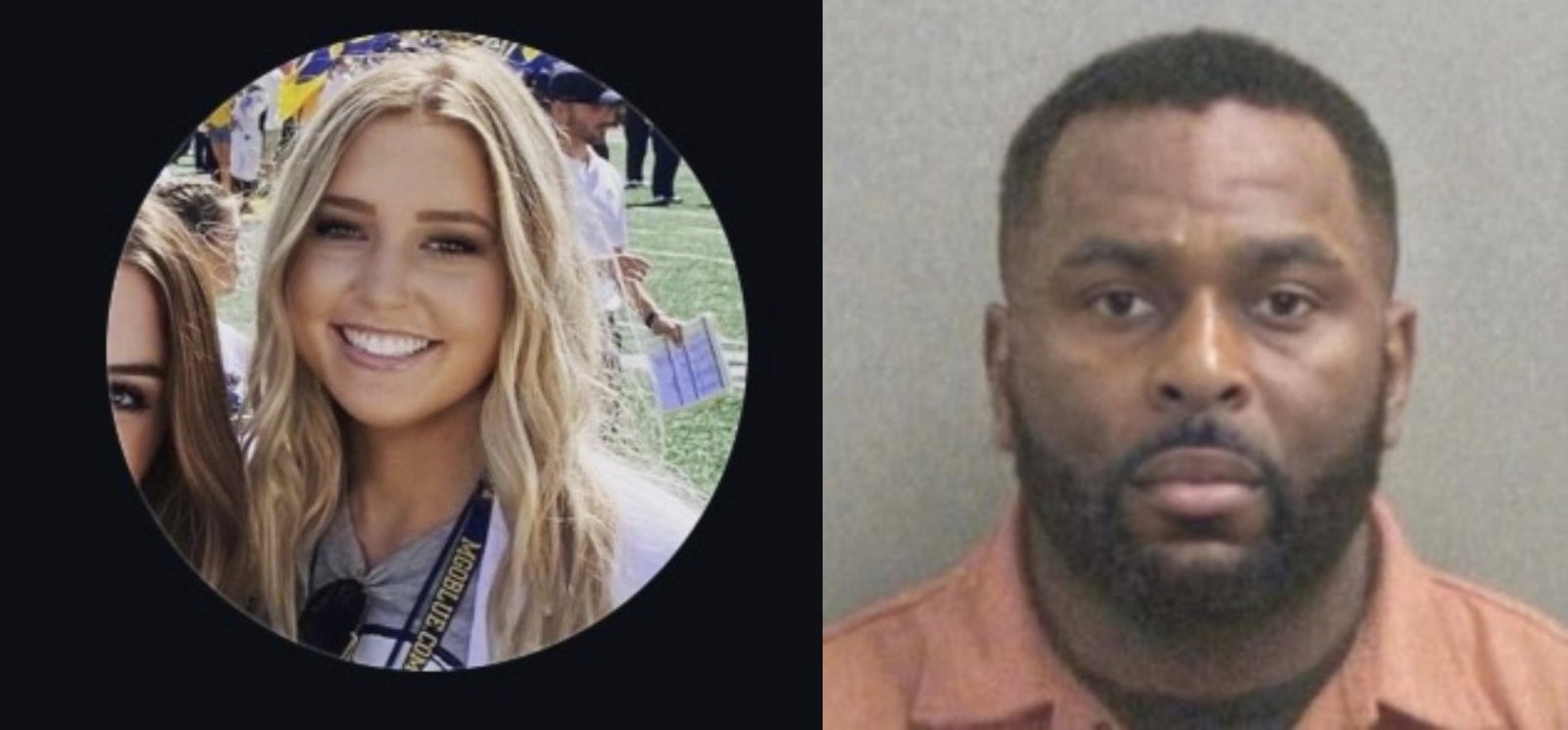
The staff member’s role and related privacy questions are also drawing attention. The university has confirmed that the situation involved a staff member working within the football program, but it has not publicly identified the individual or released details about their specific role. Some media outlets and social media accounts have named a particular staffer and attempted to reconstruct a timeline of promotions and responsibilities inside the department, but those accounts have not been formally substantiated by the university.
At this stage, neither the institution nor the staff member reported to be involved has issued a detailed public statement. Much of what is being shared online consists of secondary reporting, commentary, or user-generated posts, many of which remain unverified. That dynamic has fueled a broader discussion about privacy protections for non-coaching staff, the risk of online speculation, and the responsibilities of both traditional and digital media when reporting on sensitive personnel matters.
The controversy escalated further when Moore’s dismissal was followed within hours by a police response to his residence in the Saline area. According to statements from local law-enforcement officials, Moore was taken into custody for evaluation and investigative review. Authorities have declined to release specific details, citing privacy protections and the preliminary nature of their inquiry.
Police have not publicly linked the law-enforcement response directly to Moore’s termination or to any specific allegation that has circulated on social media. Officials have emphasized that the broader investigation is ongoing and that many details cannot yet be disclosed. For observers, this separation between employment action and law-enforcement procedure has added another layer of complexity, raising questions about what is confirmed fact, what remains allegation, and what may never be fully disclosed to the public.
Moore, 39, has been married to his wife, Kelli, since 2015. The couple, active in the Ann Arbor community, have three children and have frequently appeared in university-produced content during Michigan’s recent football success. Their visibility as a family—once framed as part of the program’s public-facing image—has now taken on a different context as the coach’s professional situation has changed dramatically.
Colleagues, athletes, and fans have expressed concern not only for the players and staff but also for Moore’s family, stressing the importance of mental health support and privacy for everyone affected. Many voices in and around the program have urged the public and media to avoid rushing to judgment while investigations proceed, particularly where children and non-public figures are involved.
In the wake of Moore’s firing, Michigan has named Biff Poggi as interim head coach while the university continues its internal and external reviews. Athletic department leadership has released only limited statements, citing personnel-privacy rules and the ongoing nature of multiple inquiries. For now, the program is tasked with preparing for competition under new sideline leadership while operating in an environment of heightened scrutiny.
Experts in crisis management and collegiate athletics governance expect the university to conduct a detailed post-incident review once the immediate situation stabilizes. That broader assessment will likely extend beyond the specific misconduct allegations to include how internal complaints or concerns are reported and escalated, the clarity of workplace boundaries between coaches, staff, and administrators, training around power dynamics and consent in professional settings, and oversight structures within the athletic department, particularly in high-profile programs.
For now, the situation remains fluid. Attorneys, university administrators, and possibly NCAA compliance officials are expected to play central roles in shaping what happens next, including any disciplinary outcomes, contractual disputes, or policy changes. A number of allegations and narratives circulating online have not been confirmed by official sources, and some may never be fully verified.
As Michigan moves forward, it must balance several priorities at once: stabilizing one of the country’s most visible football programs, protecting the legal and privacy rights of those involved, and demonstrating to students, staff, alumni, and the broader public that it is treating serious workplace concerns with transparency and rigor.