
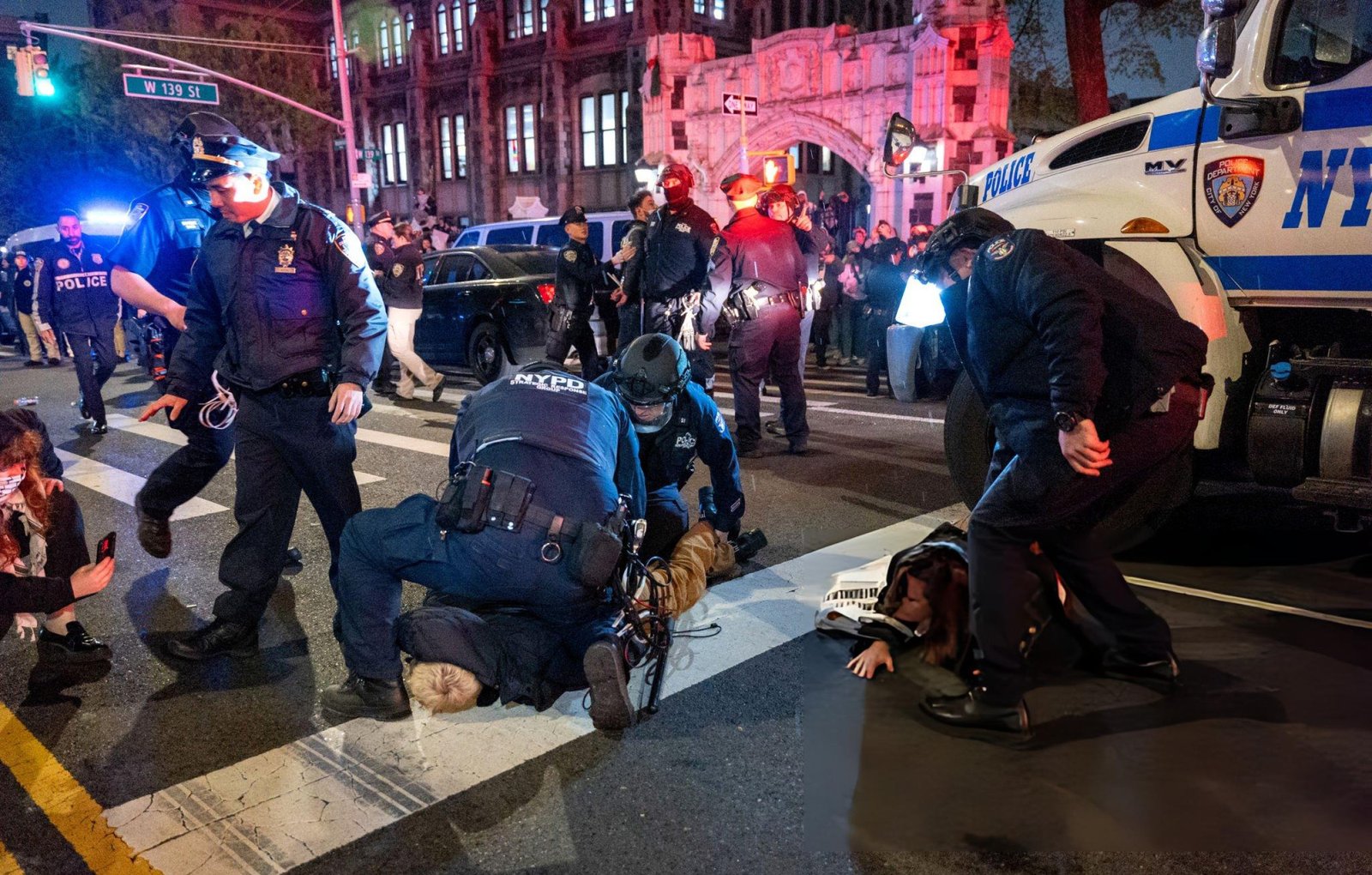

When a person is arrested in the United States, the legal process that follows can be confusing for many people. Laws and procedures may vary slightly by state, but the overall process remains consistent nationwide. This guide explains what happens after an arrest in the United States, based on procedures that remain accurate and relevant in 2026.
What Does an Arrest Mean in the US?
An arrest occurs when law enforcement takes a person into custody due to:
-
Probable cause that a crime was committed
-
An active arrest warrant
-
Being caught committing an offense
Advertisement
An arrest does not mean a person is guilty. Guilt is determined later by the court system.
Step 1: Taken Into Police Custody
After an arrest:
-
The individual is informed they are under arrest
-
Officers may use restraints for safety
-
The person is transported to a police station or detention center
Officers document the incident and begin the legal process.
Step 2: Booking Process
Booking is the official record of the arrest. During booking, authorities typically:
-
Record personal information
-
Take fingerprints and photographs
-
Document the alleged charges
-
Check criminal history
Personal belongings are logged and secured until release.
Step 3: Miranda Rights
In most cases, individuals are informed of their Miranda rights, which include:
-
The right to remain silent
-
The right to an attorney
Statements made after arrest may be used in court, which is why legal experts often advise waiting for an attorney.
Step 4: Bail or Release Decision
After booking, a decision is made regarding release.
Common outcomes:
-
Release on own recognizance (ROR) – no bail required
-
Bail or bond – financial guarantee for release
-
Detention without bail – for serious or violent offenses
Bail reform efforts continue across many US states in 2026, reducing detention for low-risk cases.
Step 5: Arraignment (First Court Appearance)
The arraignment usually occurs within:
-
24 to 72 hours after arrest
During this hearing:
-
Charges are formally presented
-
The defendant enters a plea
-
Bail conditions may be reviewed
Step 6: Right to Legal Representation
Every arrested person has the right to an attorney.
Options include:
-
Hiring a private lawyer
-
Receiving a public defender if eligible
Legal counsel helps protect rights and navigate the court process.
Step 7: Pretrial Phase
Before trial, the case may involve:
-
Evidence review
-
Court motions
-
Plea negotiations
Many cases are resolved during this stage without proceeding to trial.
Step 8: Trial or Case Resolution
If no agreement is reached:
-
The case may go to trial
-
Evidence is presented to a judge or jury
-
A verdict is delivered
Some cases result in dismissal due to insufficient evidence.
What If Charges Are Dropped?
If prosecutors drop the charges:
-
The individual is released
-
No trial takes place
-
The arrest may remain on record unless expunged
Many states allow record sealing or expungement under certain conditions.
How Long Does the Process Take?
The timeline depends on:
-
Severity of the offense
-
Court schedules
-
State and local laws
Cases may take:
-
Weeks for minor offenses
-
Months or longer for complex cases
Legal Rights After an Arrest (2026)
Even after arrest, individuals retain important rights:
-
Right to remain silent
-
Right to an attorney
-
Right to a fair and timely trial
-
Protection against unlawful searches
Understanding these rights is essential.
Frequently Asked Questions (FAQ)
Does an arrest always lead to jail time?
No. Many arrests result in release or alternative legal outcomes.
Can police arrest someone without a warrant?
Yes, if probable cause exists or a crime occurs in an officer’s presence.
Is bail mandatory in every case?
No. Bail decisions vary by state and case type.

